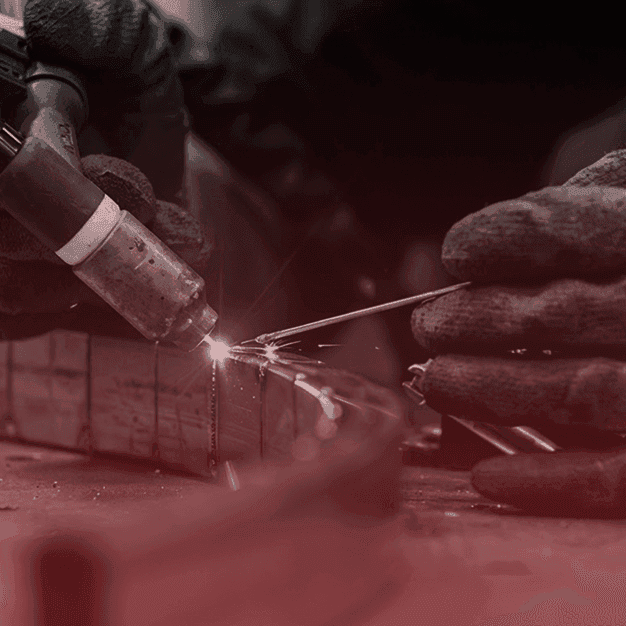
TIG welding services
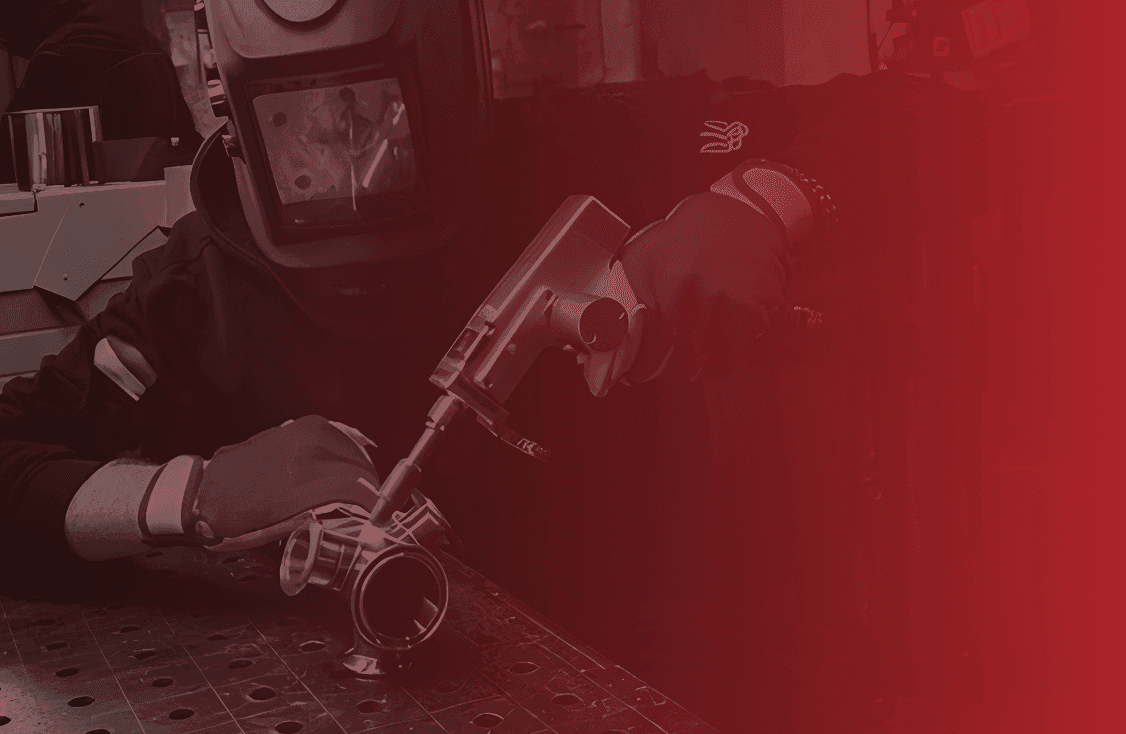
TIG welding of stainless steel and non-ferrous alloys in argon shielding gas using tungsten electrodes and filler rods.


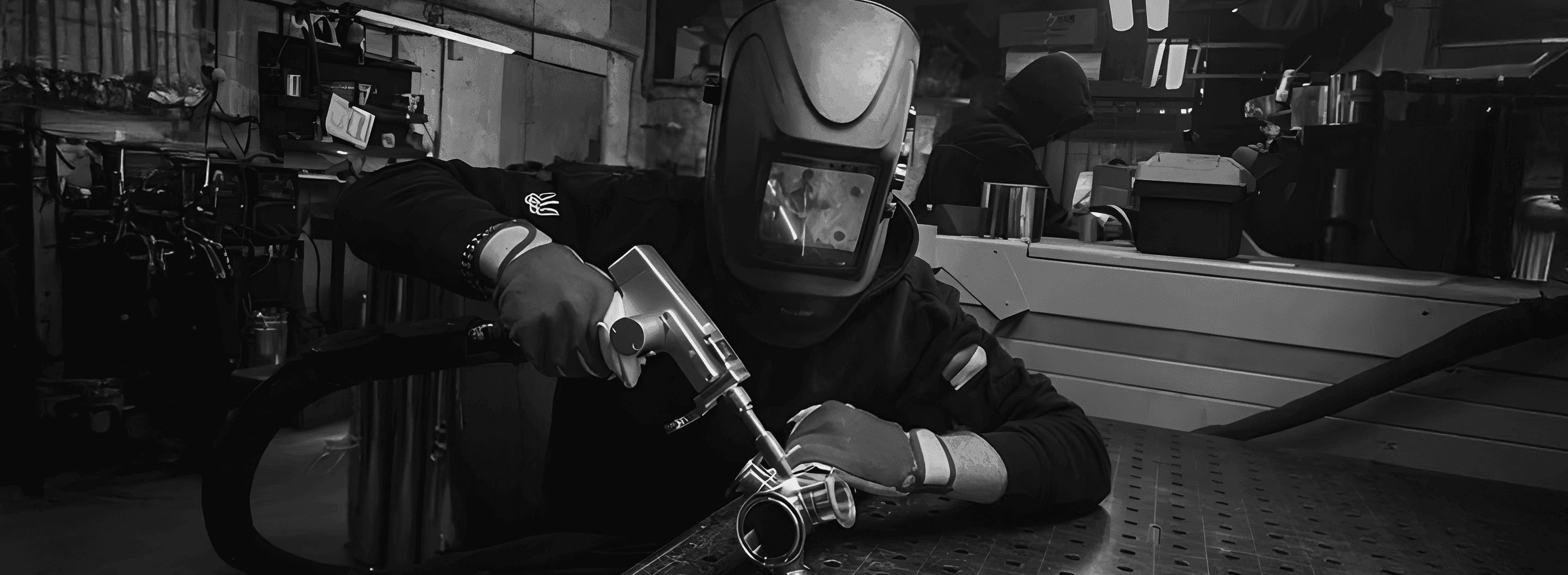
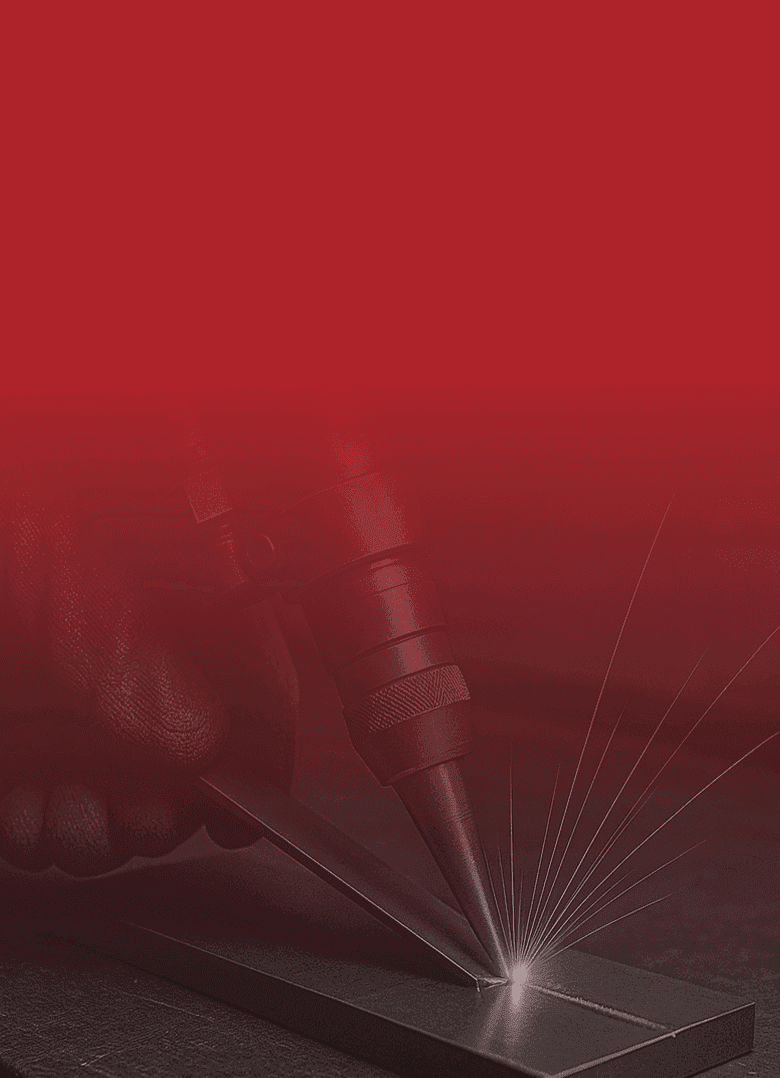
Laser welding services produce narrow, durable weld seams with minimal heat distortion. At Metal Workshop, we provide precision laser welding for both thin and thick metals, ensuring speed, accuracy, and reliability even in the most demanding projects.

Precision welding technology offers unmatched accuracy and productivity where other welding methods may fail.

Narrow heat-affected zone and clean weld seams with no deformation.

Laser beam welding is 2–3 times faster than conventional techniques.

Welds are strong, uniform, and require little or no post-processing.
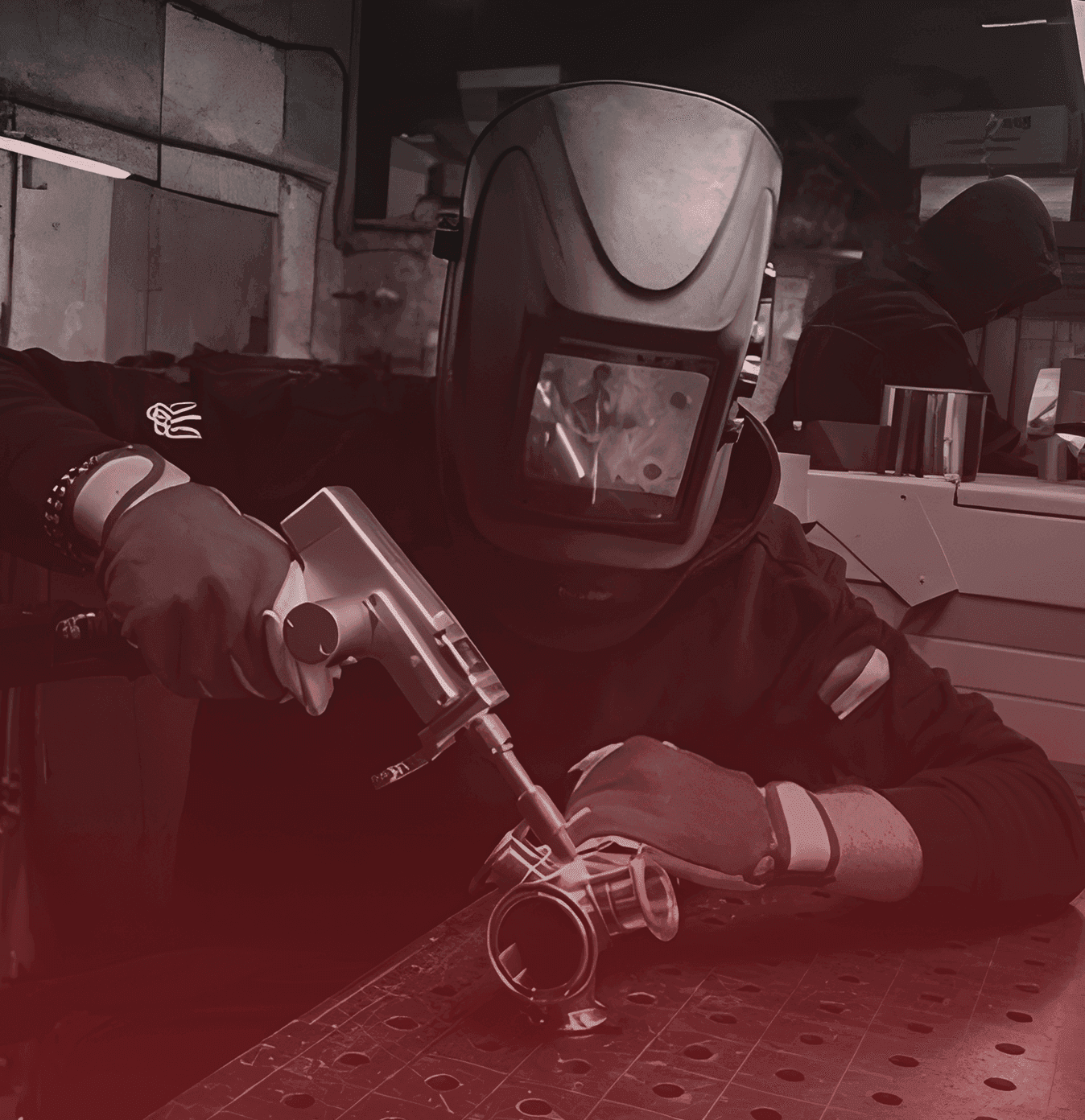
– seams without distortions or overheating.
– cleaner connections and fewer deformations compared to arc welding.
faster welding of both thin and thick metals with preserved strength.
The cost depends on the material, thickness, seam length, and overall complexity. Each project is estimated individually according to your drawings or technical requirements. Prices for these services are transparent, with no hidden fees. Lead times and budgets are confirmed before production begins.
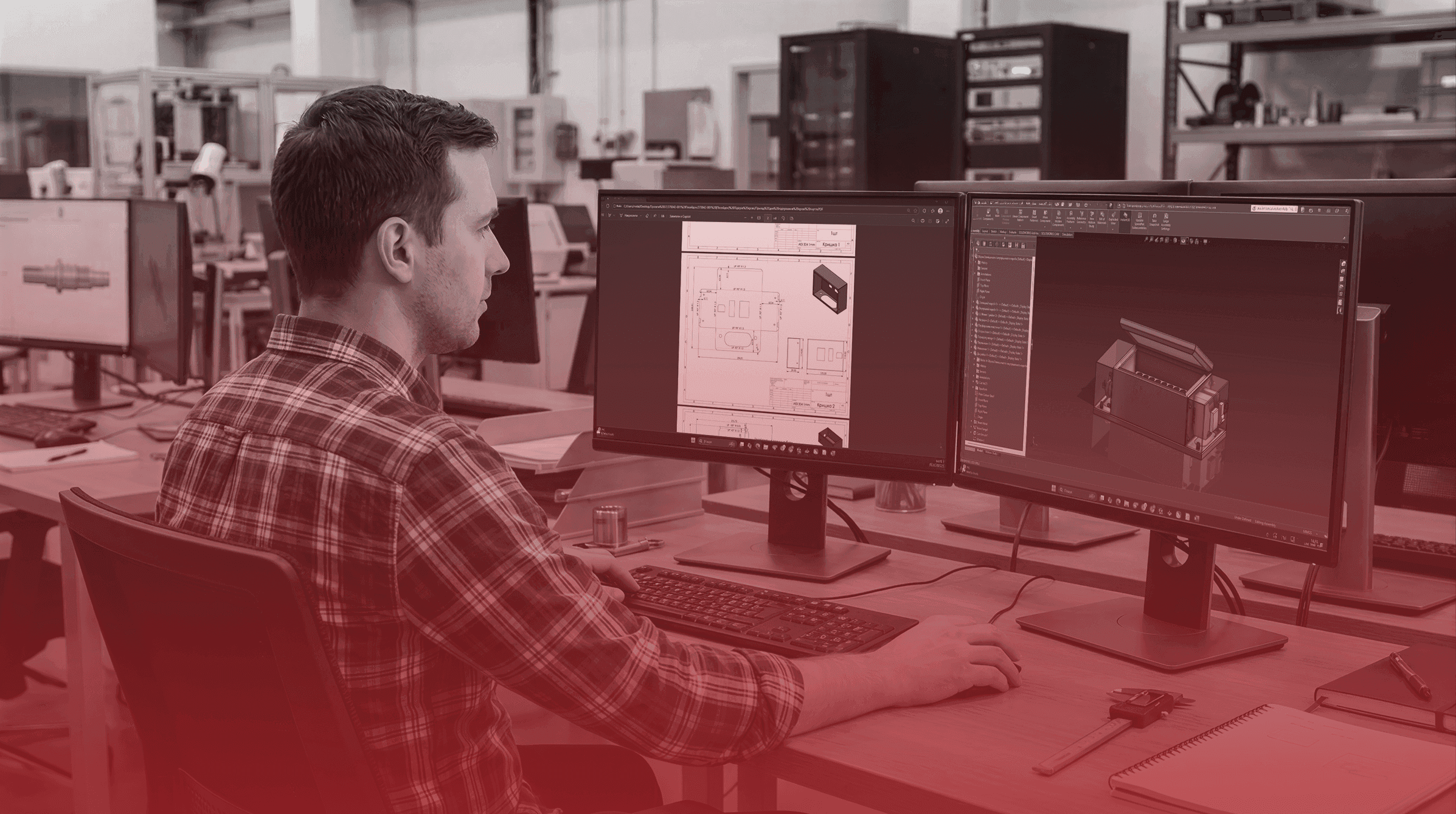
Send us your drawings or sketches (we can help with technical task preparation).

We calculate the price and timeline based on the material and seam length.

Payment or agreed post-payment.
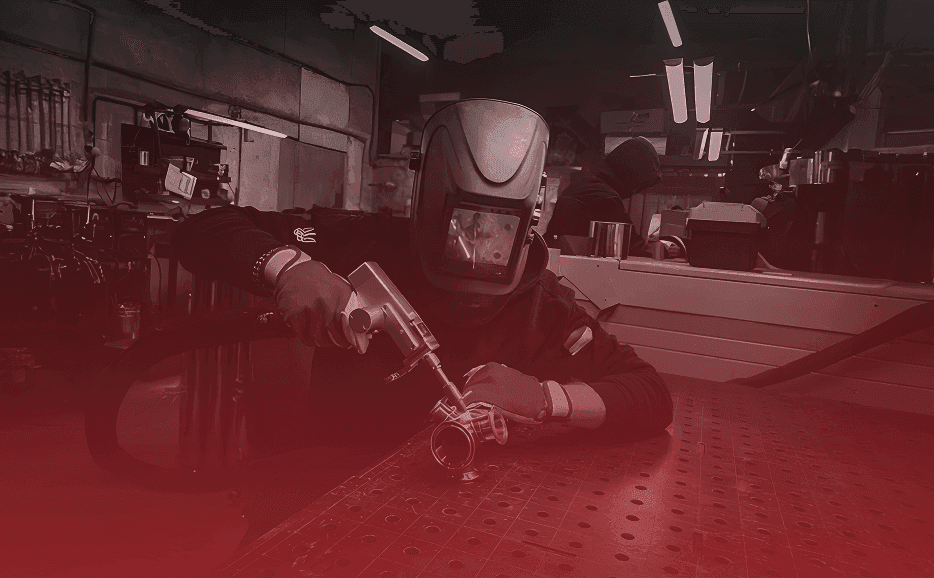
The process begins – we configure the laser beam and part fixation.
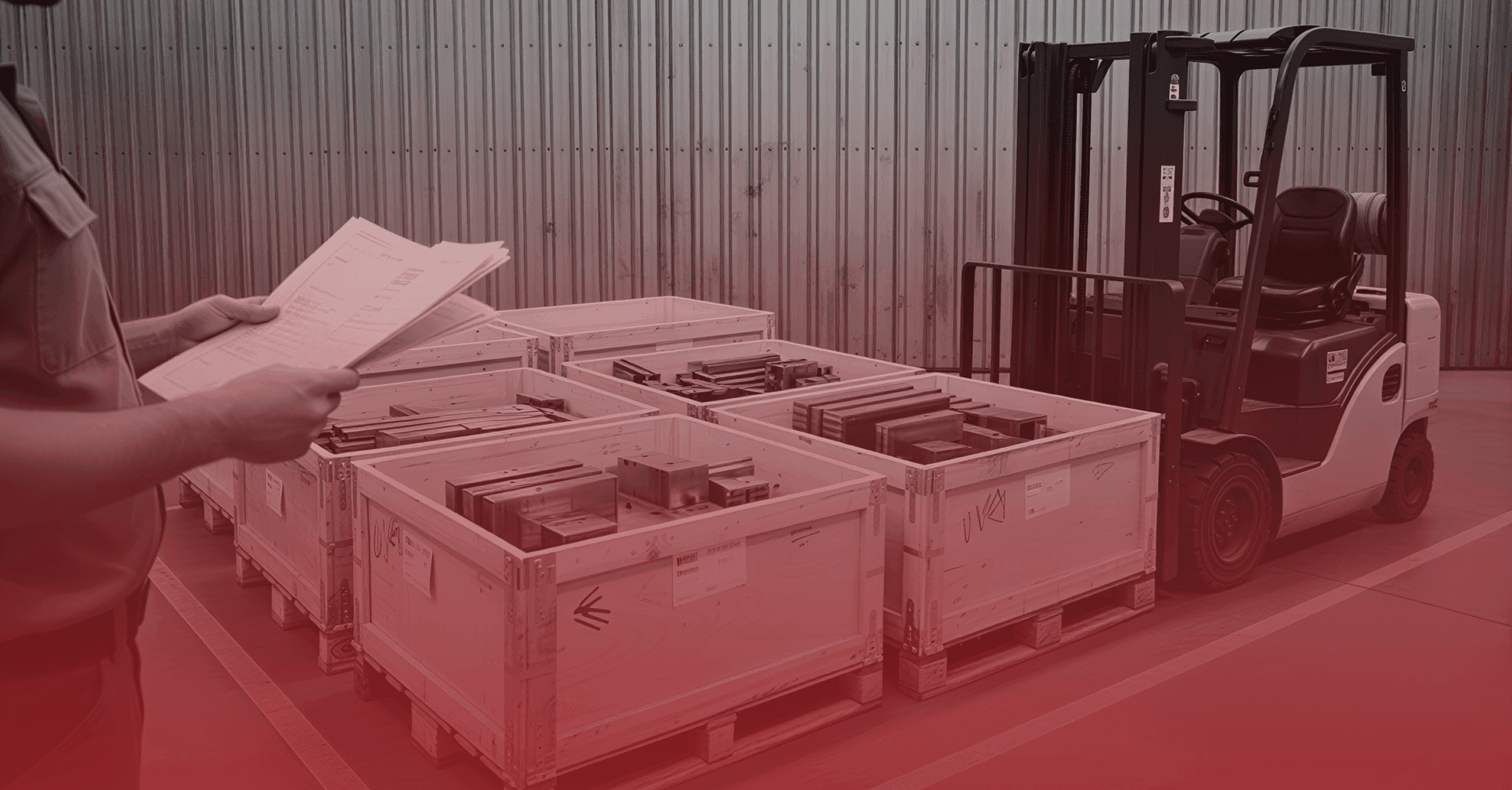
Weld inspection, followed by packaging and shipping with documentation.
We promise quality, and we deliver it. We commit to deadlines, and we meet them. That’s why we’re not just contractors but long-term partners.

Nazar
NG Metal
Andrii
Bramy
Andrii
Skif
Oleh
Hidroshpryts
Nadiia
Autonomous Engineering
Nadiia
Autonomous
Dmytro
Epicenter
Yurii
Nox
Andrii
Skif
To save your time, we’ve gathered answers to the most common questions — from technologies and timelines to collaboration terms.
A laser welding machine directs a focused beam of light onto the material, melting and fusing it. Depending on the application, laser beam welding can be continuous or pulsed. Fiber laser beam welding and CO2 precision welding are commonly used, both delivering precise and durable results.
Laser beam welding is most effective for thin to medium-thickness metals. Depending on the alloy, aluminum, steel, and titanium can be welded up to several millimeters thick. For thicker sections, combined welding techniques may be applied to ensure joint strength.
Laser welding is suitable for a wide range of metals, including stainless and carbon steel, aluminum, titanium, copper, brass, nickel, and their alloys. This technology ensures strong, precise, and clean joints even on thin parts, making it possible to weld materials that are difficult to process using conventional welding methods.
TIG welding of stainless steel and non-ferrous alloys in argon shielding gas using tungsten electrodes and filler rods.
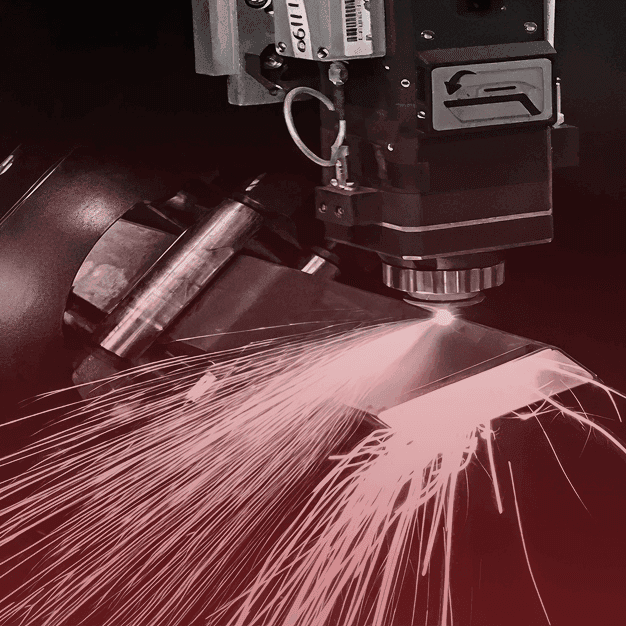
Laser cutting of sheet metal with programmed contours, narrow kerf width, and consistent precision in repeated production.
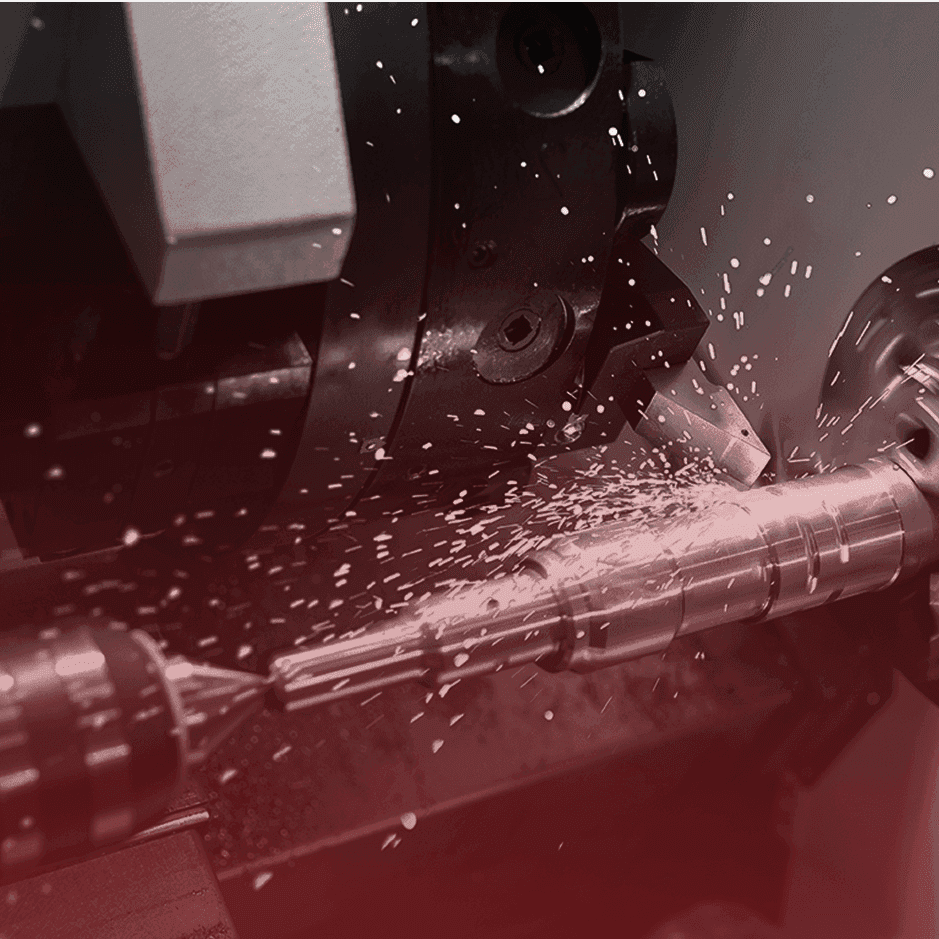
CNC turning of cylindrical and conical parts on automated machines for both serial and custom production in metals and plastics.
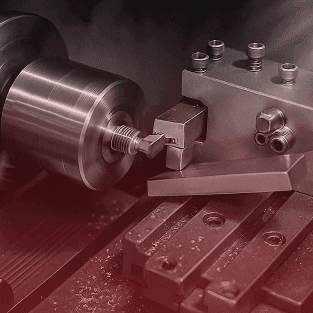
CNC milling of flat and 3D surfaces in metal and plastic using automated machining centers with multi-axis tool programming.
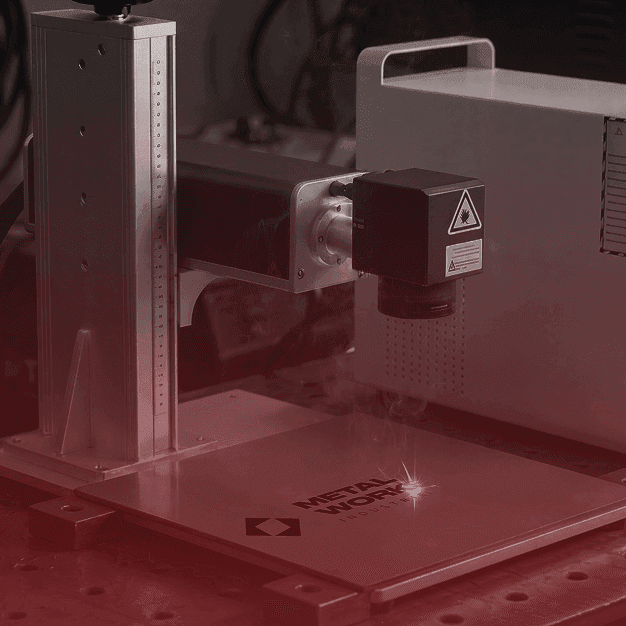
Laser engraving of metal with depth control for adding logos, technical markings, serial numbers, or decorative patterns.
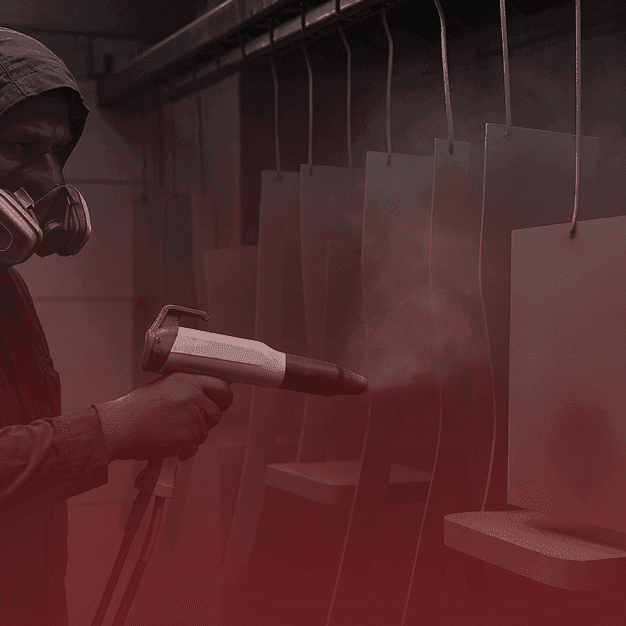
Application of polymer powder onto metal surfaces followed by oven curing to achieve a durable and decorative finish.
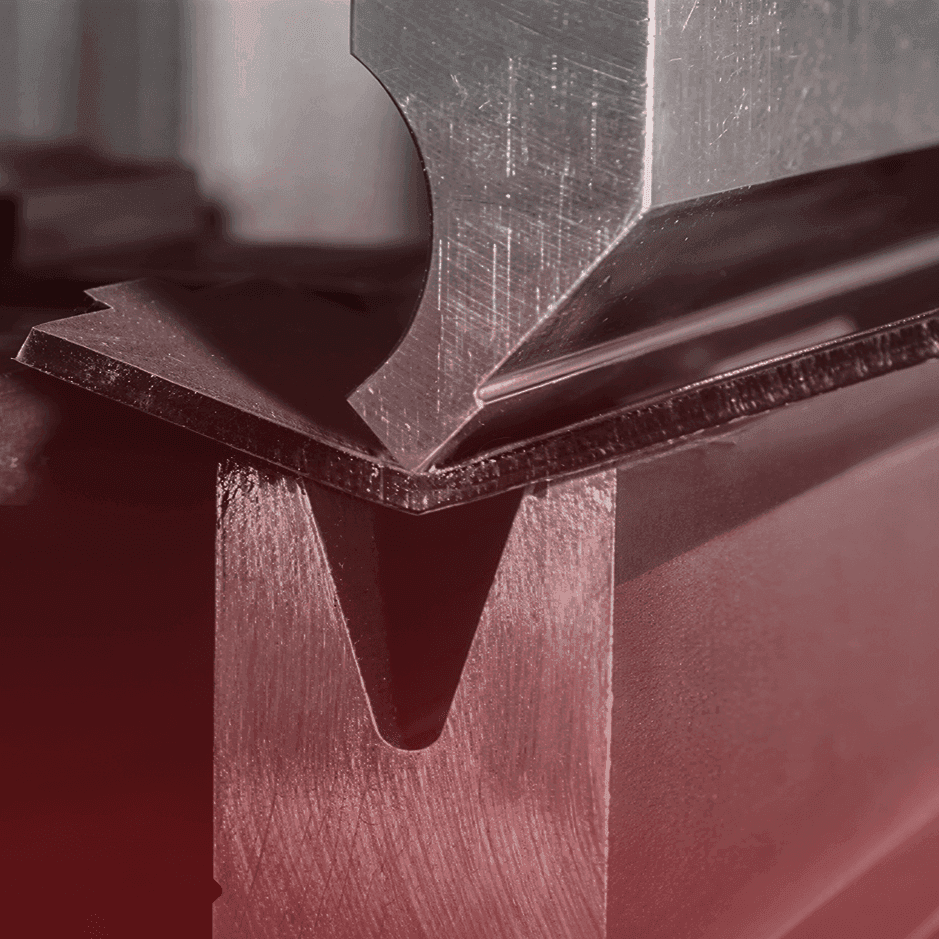
CNC bending of sheet metal with controlled radii and angles for profiles, casings, enclosures, and structural components.