Laser Engraving: How to Achieve Precise and Long-Lasting Marking
In a world where every detail matters, laser engraving has become a synonym for precision.
Some use it to place serial numbers on steel parts, others — to personalize a knife with a name or make a company logo last for years.
All of them share the same goal: to keep the marking clear, sharp, and durable.
How Laser Engraving Works
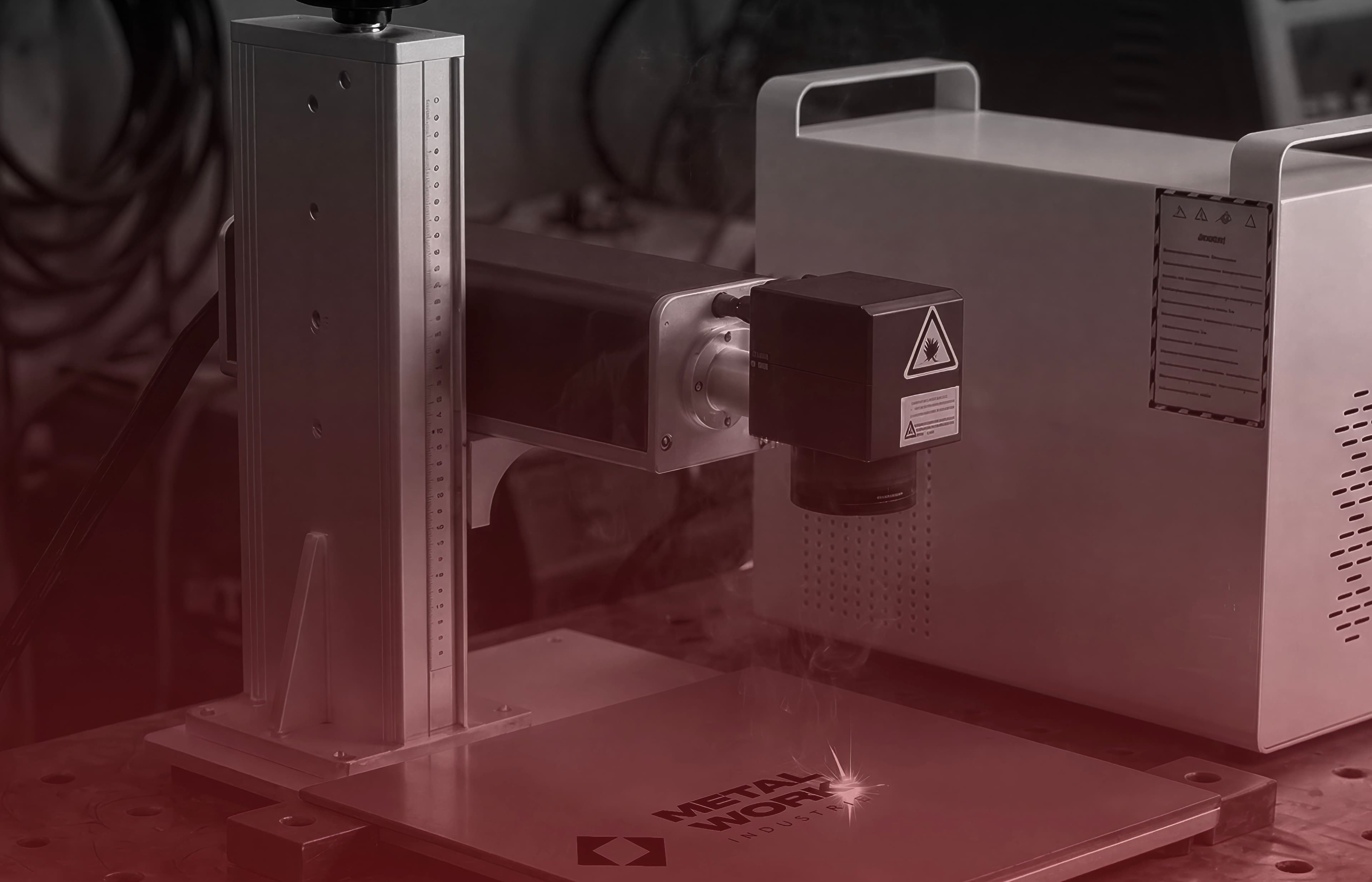
Simply put, a laser for engraving vaporizes a thin layer of material. No pressure, no paint, no abrasives — just a focused laser beam leaving a clean, high-contrast mark.
This technology suits metal engraving, wood engraving, engraving plastic, glass laser engraving, and engraving on leather.
Each material reacts differently: wood gains a warm burnt tone, metal — a crisp contrast, and glass — a matte frost effect.
Want to see how it looks in real life?
Go to our laser engraving services page (внутрішнє посилання на сервісну сторінку) — you’ll find photos, examples, and ready-made solutions for both business and personal projects.
Types of Lasers and Their Applications
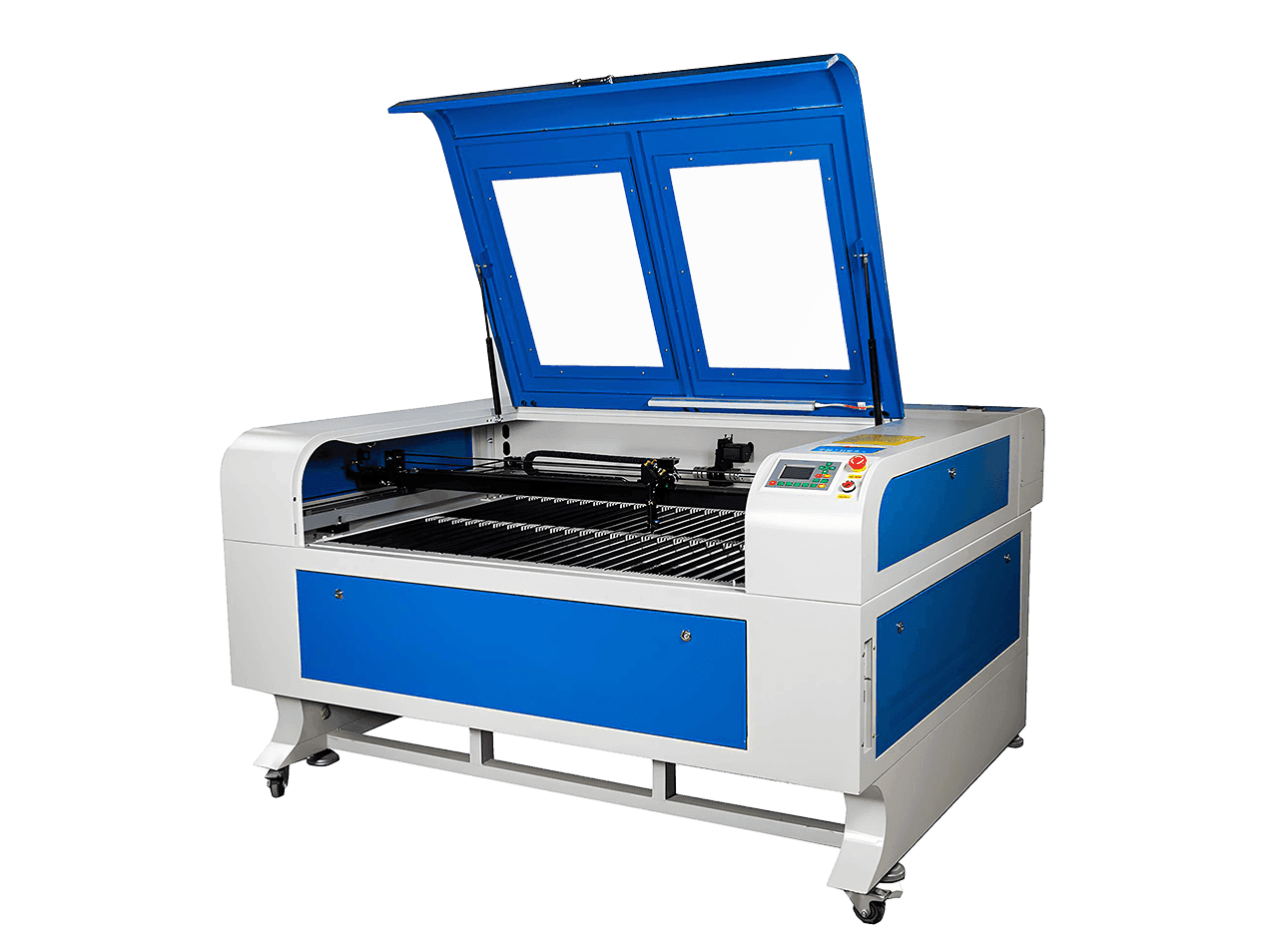
CO₂ laser — ideal for engraving on wood, acrylic, plastic, or leather. The beam is formed in a CO₂ gas mixture, providing smooth yet deep vaporization.
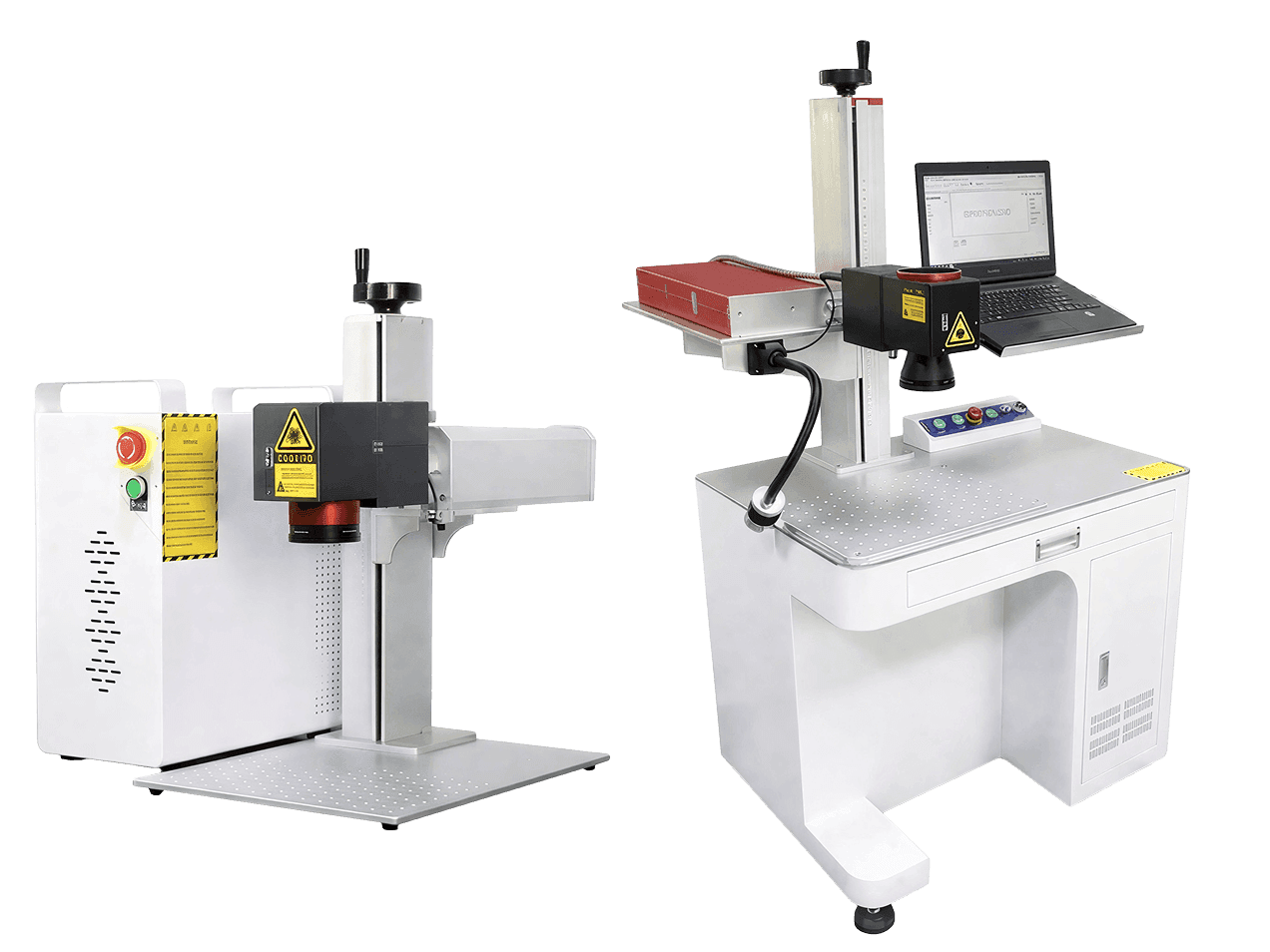
Fiber laser — the main tool for industrial marking of steel, aluminum, titanium, or brass. It offers high speed and excellent beam stability.
UV laser — for delicate materials where precision without heat is essential, such as electronics or polymers. MetalWorkshop is one of the few companies in Ukraine that operates a UV 3D laser capable of engraving inside glass.
MetalWorkshop combines CO₂ and fiber laser machines to cover the full range of materials for laser engraving — from plywood to stainless steel.
Laser Engraving vs Mechanical Engraving
Precision
Durability
Speed
Surface Finish
Materials
Mechanical Engraving
up to 0.1 mm
Depends on tool wear
Medium
May leave burrs
Only hard ones
Laser Engraving
up to 0.01 mm
Doesn’t fade or scratch off
High, automated
Perfectly smooth
Metal, wood, plastic, glass, leather
In short, mechanical engraving is limited by shapes and materials, while laser engraving provides freedom.
That’s why precision laser marking has replaced older methods across most industries.
The same trend applies to laser cutting services, which have become the standard in modern metal processing.
Factors Affecting Accuracy and Durability
Material Selection
The chosen material defines how the engraving will look.
For example, engraving plastic requires minimal power to avoid melting, while metal engraving — especially on steel — needs a powerful fiber laser and precise beam focus.
Wood and leather produce warmer, more contrastive results, which is why they are often used for premium packaging and personalized gifts.
Depth and Density of Engraving
Deeper doesn’t always mean better.
For souvenirs, a depth of 0.02 mm is enough, but for industrial parts, it can reach 0.5 mm.
The line density (DPI) determines contour smoothness — the higher the DPI, the finer the detail.
For businesses, this matters: a logo or QR code must remain readable even after thousands of usage or washing cycles.
Equipment Settings
Everything depends on power, speed, focus, and beam stability.
At MetalWorkshop, each setup is customized for the material — steel, aluminum, or plastic.
Our CO₂ laser engraving machine works on a 1600×1000 mm field, handling both cutting and engraving.
Fiber Laser MOPA M7 / M8 covers 300×300 mm full-area engraving, while the industrial 300W M7 model marks up to 400×400 mm.
The UV laser operates within 100×100 mm, ensuring ultra-fine precision engraving for sensitive materials.
These parameters showcase the scalability and precision range available at MetalWorkshop.
Surface Preparation
Before engraving, surfaces are cleaned, degreased, and, if necessary, polished.
Even a small amount of dust or oxide can scatter the laser beam and reduce contrast.
A high-quality result always starts with proper preparation.
Practical Applications of Laser Engraving
For industrial manufacturing:
Serial numbers, technical data, and industrial marking on housings and components.
For businesses and brands:
Logos, QR codes, and product identity on packaging or promotional items.
For private clients:
Personalized gifts and accessories — from glass laser engraving on bottles or glasses to engraving on leather wallets, knives, pens, and wooden boxes.
Thanks to its accuracy and versatility, laser engraving technology has become both an industrial standard and a growing trend in personalized design.
How to Choose a Laser Engraving Service Provider
When selecting a company, pay attention to:
Modern equipment (CO₂ laser, fiber laser, UV laser)
Portfolio with real examples of work
Experience with various materials
Clear deadlines and transparent communication
Technical consultation before production
If a company also offers cutting, welding, and powder coating — it’s a plus.
You get complete quality control at every stage.
That’s exactly how MetalWorkshop operates — from the first sketch to the finished part.
Conclusion
Laser engraving is a way to leave a mark that time and touch can’t erase.
It’s faster, cleaner, and more precise than traditional mechanical methods — and that’s why it has become a new standard for manufacturers, brands, and creators who value quality.
Engraving is no longer just a craft — it’s the technology of the future.
FAQ
To save your time, we’ve gathered answers to the most common questions.
It’s a process of removing a thin layer of material to create a pattern, image, or inscription.
Almost anything: metal, wood, glass, leather, plastic, acrylic.
It doesn’t wear off, deform the surface, or require physical contact — perfect for micro-details and high-volume production.
From a few seconds to several minutes, depending on the depth and size of the design.